
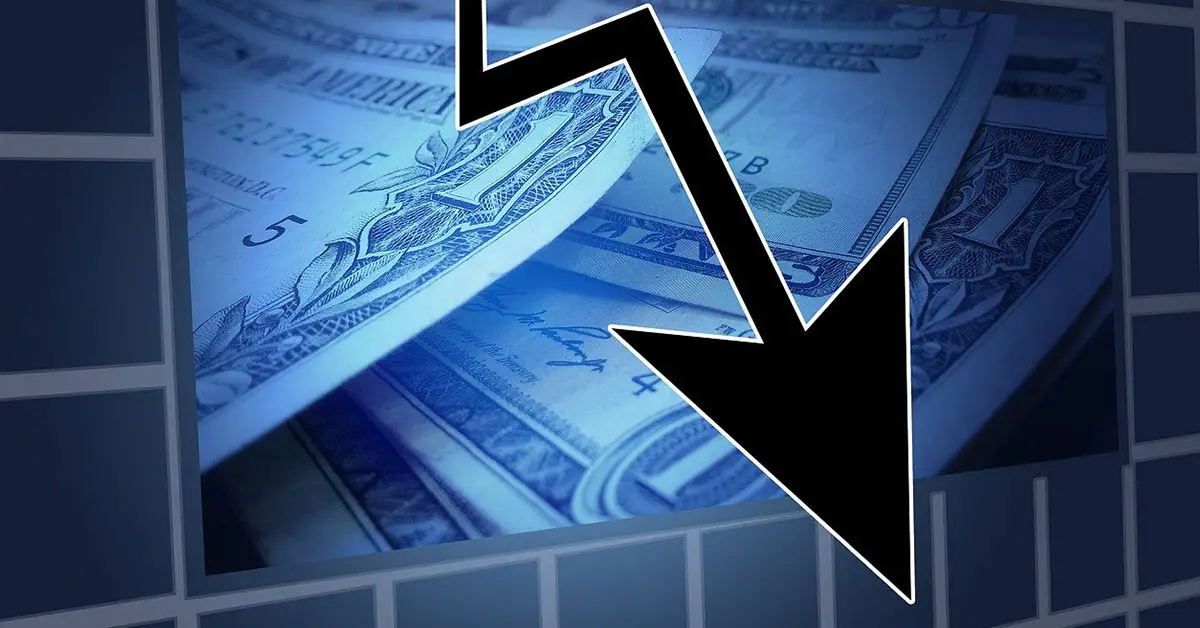
When the economy starts slowing down and news headlines paint a gloomy picture, it’s only natural to feel a little uneasy about your finances. A sluggish economy can make even the most financially confident person wonder whether their savings are safe or if their assets could lose value overnight. The good news is, you don’t have to sit back and hope for the best. With the right strategies steady, practical, and grounded in real-world thinking you can protect your money and stay financially secure no matter how bumpy the road gets.
Let’s break this down clearly and simply so you can take action without feeling overwhelmed.
Understanding What a Sluggish Economy Does to Your Money
Before diving into solutions, it helps to understand what’s really going on when the economy slows. A sluggish economy typically means consumer spending dips, businesses tighten their belts, hiring slows, and investors become nervous. Prices may rise slowly or stay stubbornly high while salaries remain the same. It’s the kind of situation that makes you feel like your paycheck just doesn’t stretch the way it used to.
What makes this tricky is the uncertainty. People don’t know what’s coming next, so fear takes over. And when fear shows up, it becomes easy to make rushed money decisions that do more harm than good. That’s why the smartest move is to step back, breathe, and build a stable financial shield.
Build and Strengthen Your Emergency Fund
Let’s get this out of the way first, because it’s one of the biggest game-changers. An emergency fund isn’t just a savings account it’s your personal safety cushion against sudden shocks. Whether it’s a medical issue, a job loss, or an unexpected bill, an emergency fund steps in when life decides to throw you off balance.
Ideally, you want enough savings to cover six to twelve months of essential expenses. If that sounds like a lot, don’t panic. Start small, stay consistent, and increase whenever possible. Even a few thousand dollars can give you tremendous peace of mind when the economy feels shaky. The goal is not perfection it’s preparation.
Keep Your Savings in Safer, More Stable Places
During uncertain times, protecting your capital becomes more important than chasing high returns. That’s why many people shift part of their savings into safer financial tools that offer stability instead of volatility. High-yield savings accounts, certificates of deposit, and government-backed bonds all fall into this category.
These options might not make you rich overnight, but they help shield your money from sudden market swings. Think of them as a sturdy brick wall around your savings they don’t move fast, but they stand strong when everything else feels shaky.
Diversify Your Assets to Reduce Risk
You’ve probably heard the phrase, “Don’t put all your eggs in one basket,” but in a sluggish economy, this advice becomes even more meaningful. Diversification simply means spreading your money across different asset types so that if one drops, others may hold steady or even grow. For example, if you’re heavily invested in tech stocks and the sector slows down, your portfolio takes a hit. But if you’ve mixed your investments into real estate, bonds, index funds, or other industries, the decline won’t feel nearly as painful.
This isn’t about being fancy it’s about balance. A well-diversified portfolio can turn a rough economy into a manageable challenge instead of a financial disaster.
Cut Unnecessary Expenses Before They Become a Burden
Here’s the truth: small financial leaks often go unnoticed when the economy is booming, but during slow economic periods, they become painfully obvious. This is the perfect time to review where your money goes each month and cut things that don’t truly add value.
Maybe it’s subscriptions you don’t use. Maybe it’s frequent takeout meals or impulse shopping habits. Maybe it’s services that can be replaced with more affordable alternatives. Every bit you save becomes extra protection extra breathing room when things feel uncertain.
This doesn’t mean you should live a joyless life. It simply means being mindful. When you tighten your spending today, you protect your financial future tomorrow.
Avoid Making Emotional Investment Decisions
When markets fluctuate, many people rush to sell investments out of fear. But acting out of panic almost always leads to regret. Markets rise and fall it’s part of their nature. A sluggish economy doesn’t last forever, and the people who stay calm usually come out ahead.
Instead of checking stock prices every hour and letting the ups and downs dictate your mood, think long-term. History shows us that markets recover, often stronger than before. That’s why the best investors don’t react emotionally they stay steady, stick to their plan, and focus on data instead of fear.
If you’re unsure what to do, getting advice from a financial advisor can make all the difference. Sometimes a calm voice and a clear strategy are exactly what you need to avoid costly mistakes.
Strengthen Your Income Streams
One of the smartest ways to protect your assets during a slow economy is to make sure your income doesn’t rely on a single source. When times are unpredictable, having multiple income streams feels like having multiple safety ropes.
This doesn’t mean you need to start a huge business overnight. It could be something simple: freelancing, selling a digital service, offering consulting based on your experience, teaching online, or renting out something you own. Even a small extra income can take pressure off your main earnings and help you save faster. In tough times, flexibility becomes your superpower. The more ways you have to earn money, the more control you gain over your financial life.
Reassess Your Debt and Lower Your Interest Burden
Debt isn’t always a bad thing, but during economic slowdowns, it can put unnecessary pressure on your finances especially high-interest debt. This is the perfect time to review your loans, credit cards, or installments and make a plan to reduce them.
If you can, try paying off debts with high interest first. Not only does this free up your money, but it also boosts your financial stability. You’ll feel lighter, more confident, and less vulnerable to sudden changes.
If paying everything off right now isn’t possible, don’t worry. Another option is negotiating with your lenders or refinancing to a lower rate. Many people don’t realize how flexible debt terms can be until they ask.
Protect Your Real Estate and Physical Assets
For those who own property, a sluggish economy can raise concerns about market value, rental income, or maintenance costs. The best approach here is care and strategy. Keep your property well-maintained, ensure your insurance is updated, and avoid making rushed decisions like selling too soon out of fear.
Real estate markets move slowly, and downturns don’t last forever. Many investors who held their ground during slow periods eventually saw their property values climb again. The same goes for other physical assets vehicles, equipment, or valuables. Maintain them, insure them, and avoid unnecessary upgrades until the economy stabilizes.
Stay Informed Without Overloading Yourself
It’s easy to fall into the trap of constantly checking the news or social media during an economic slowdown. But stressing yourself out with every new headline isn’t helpful. Instead, stay informed in a balanced, healthy way. Follow reliable financial sources, understand trends, and use the information to make smart decisions not fearful ones. Knowledge is power, but only when it’s used wisely.
Think Long-Term, Even When the Short-Term Feels Uncertain
A sluggish economy can shake your confidence, but it’s temporary. Every economic downturn in history has eventually turned around. Patience, discipline, and smart planning are your best tools. Instead of worrying about short-term dips, think about where you want to be in five or ten years. Think about your long-term goals: buying a home, retiring comfortably, expanding your investments, or building generational wealth. When you focus on the future, today’s challenges feel smaller and more manageable.
Final Thoughts
Protecting your savings and assets during a sluggish economy isn’t about fear it’s about strategy. It’s about making steady, thoughtful moves that strengthen your financial position instead of weakening it. From building a solid emergency fund and diversifying your investments to managing debt and staying informed, every step you take creates a safer, more resilient financial future. Slow economies don’t last forever, but smart decisions do. The more prepared you are today, the more confident and secure you’ll feel tomorrow.
References
- https://www.investopedia.com/articles/pf/08/recession-proof-your-life.asp
- https://www.iese.edu/standout/recession-how-to-defend-against/
- https://www.dominion.com/asset-protection/asset-protection-strategies
- https://www.unbiased.co.uk/discover/personal-finance/budgeting/how-do-i-prepare-financially-for-a-recession
- https://money.usnews.com/investing/articles/ways-to-invest-with-weakening-us-dollar
- https://www.soarion.org/learn/resources/articles-news/articles/2022/10/26/how-to-protect-yourself-during-uncertain-economic-times
- https://www.mckinsey.com/mgi/overview/the-future-of-wealth-and-growth-hangs-in-the-balance
- https://www.nerdwallet.com/investing/learn/how-to-invest-during-a-bear-market
- https://www.bajajfinserv.in/investments/liquidity-trap
















Add comment