
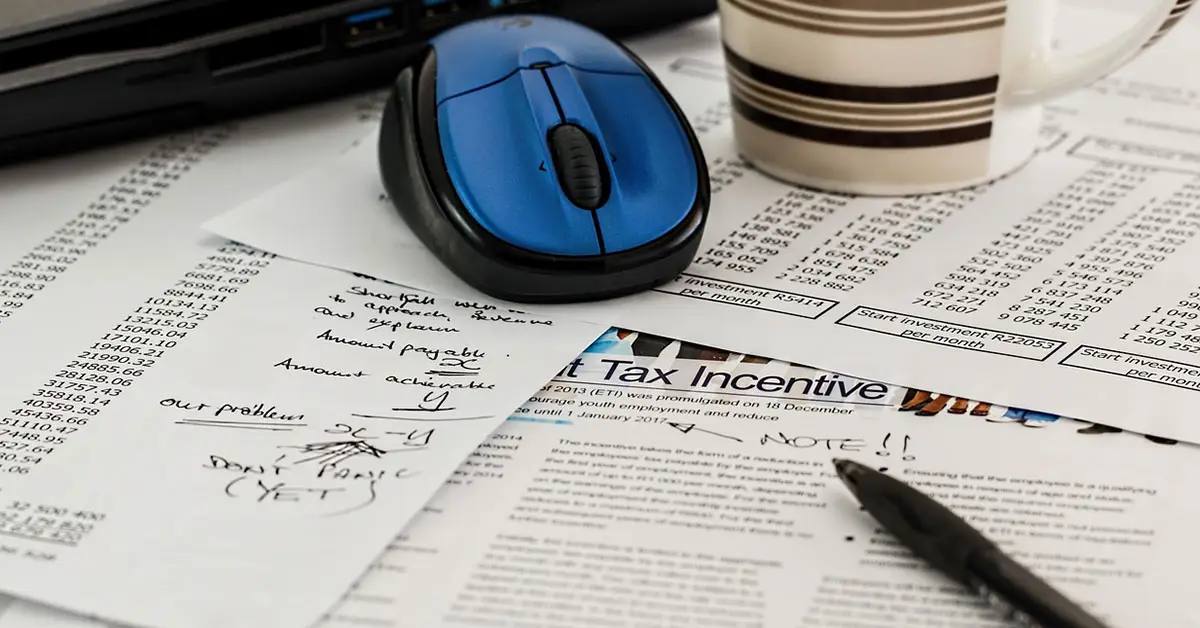
Busy accountants stay sane during tax season by setting clear work boundaries, simplifying their workload, protecting their energy, using practical tools, and leaning on support instead of trying to handle everything alone. These habits don’t remove the pressure, but they stop it from taking over daily life.
Tax season is intense for a reason. Deadlines stack up. Clients panic. Hours stretch longer than planned. The difference between burning out and staying steady usually comes down to small, repeatable habits that reduce stress instead of adding more to the plate.
Below are the five most effective ways experienced accountants protect their sanity when work is at its peak.
1. They Set Non-Negotiable Work Boundaries Early
Tax season becomes overwhelming the fastest when work spills into every corner of the day. Accountants who hold up best don’t wait until they’re exhausted to draw lines. They decide upfront what’s reasonable and stick to it.
Boundaries don’t mean working less seriously. They mean working with limits that protect focus and energy. That might be a cutoff time at night, fixed meal breaks, or clear rules around weekend availability.
Once boundaries are set, they communicate them clearly. Clients usually respect limits when expectations are explained early. Problems show up when silence leaves room for assumptions.
Key boundary habits that actually help:
- Defined start and end times, even on long days
- Scheduled breaks that are treated like meetings
- Clear response windows for emails and calls
Accountants who skip this step often feel “always on.” That constant pressure adds more stress than the workload itself.
2. They Simplify Tasks Instead of Perfecting Everything
During tax season, perfectionism is a hidden stress multiplier. Busy accountants who stay calm know when “good and accurate” is enough and when extra polish doesn’t add real value.
They rely on checklists, templates, and repeatable processes instead of rebuilding the same task every time. This reduces decision fatigue and keeps mental energy focused on work that truly needs attention.
Simplification also means batching similar tasks together. Switching between unrelated tasks all day drains focus faster than long hours do.
Ways accountants reduce mental clutter:
- Standard checklists for recurring filings
- Pre-written email responses for common questions
- Grouping similar returns or reviews into blocks
This approach doesn’t lower quality. It protects consistency when volume is high.
3. They Manage Energy, Not Just Time
Time management matters, but energy management is what keeps accountants steady through long weeks. Some hours are naturally more productive than others, and experienced professionals plan around that reality.
Instead of forcing complex work late at night, they reserve high-focus tasks for peak energy hours. Lower-energy periods are used for admin, follow-ups, or review work.
They also take sleep seriously. A short rest might feel productive in the moment, but it compounds stress and mistakes over time.
Common energy-protecting habits include:
- Tackling complex returns earlier in the day
- Saving email and admin work for slower hours
- Keeping sleep routines as consistent as possible
Burnout usually shows up when energy is ignored for too long, not when calendars are full.
4. They Use Tools That Reduce Friction, Not Add It
Busy accountants don’t chase every new tool. They stick with systems that genuinely reduce manual effort and mental load. The goal is fewer steps, fewer errors, and less rework.
Automation is useful when it removes repetition, not when it creates another system to manage. The best tools quietly support the workflow without demanding attention.
That might include scheduling software, document organizers, or review tools that catch small issues early. When tools work smoothly, stress drops without being noticed.
Effective tool habits look like this:
- Using software that integrates with existing systems
- Avoiding tools that require constant setup or fixes
- Keeping workflows simple and predictable
When tools become frustrating, they defeat their purpose during peak season.
5. They Lean on Support Instead of Powering Through Alone
One of the biggest differences between overwhelmed and steady accountants is willingness to ask for help. Support doesn’t always mean hiring full-time staff. It can be temporary, targeted, or informal.
Some delegate admin tasks. Others share workloads with colleagues or outsource specific pieces of work. Even talking through challenges with peers can reduce mental pressure.
Trying to carry everything alone often feels responsible, but it usually leads to burnout faster.
Support strategies that actually help:
- Temporary help during peak weeks
- Clear delegation of low-impact tasks
- Regular check-ins with trusted peers
Tax season is demanding by nature. Support makes it survivable without draining personal health.
Why These Habits Matter More Than Motivation
Most accountants don’t struggle because they lack motivation or skill. They struggle because pressure keeps stacking without release. The habits above work because they reduce friction, not because they add discipline.
Sanity during tax season isn’t about staying positive all the time. It’s about preventing stress from becoming constant. Small protections, repeated daily, make the biggest difference by the end of the season.
When boundaries, systems, and support are in place, long hours feel manageable instead of crushing.
Common Mistakes That Make Tax Season Worse
Even experienced accountants fall into patterns that increase stress without realizing it. These habits feel helpful in the short term but cause problems over weeks.
Before fixing stress, it helps to notice what’s quietly making it worse.
Some of the most common issues include:
- Saying yes to every request without limits
- Constant task switching throughout the day
- Skipping breaks “just for now.”
Avoiding these patterns won’t eliminate pressure, but it stops unnecessary overload.
How New Accountants Can Build These Habits Early
Accountants, early in their careers, often believe stress is unavoidable. While tax season will always be demanding, habits formed early shape how pressure feels later.
Starting with simple boundaries, basic checklists, and realistic expectations can prevent burnout before it starts. Waiting until exhaustion hits makes changes harder.
Learning to protect energy is a professional skill, not a weakness. Those who learn it early tend to last longer in the field.
Final Thoughts
Tax season will never be easy, but it doesn’t have to be chaotic. Accountants who stay sane aren’t doing anything extreme. They’re making steady, practical choices that protect their focus, health, and time. Boundaries, simplification, energy awareness, useful tools, and support work together. Miss one, and pressure grows faster. Keep them balanced, and even the busiest weeks stay manageable. Sanity during tax season isn’t luck. It’s built, one habit at a time.
FAQs
How do accountants handle stress during tax season?
They manage stress by setting boundaries, simplifying tasks, protecting sleep, using reliable tools, and leaning on support instead of working nonstop.
Is burnout common for accountants during tax season?
Yes, burnout is common when long hours, constant pressure, and lack of recovery stack up without clear limits or support.
Do long hours always mean more stress?
Not always. Stress increases when energy is ignored and boundaries disappear, even more than from long hours alone.
Can new accountants avoid tax season burnout?
Yes. Building simple systems, realistic expectations, and healthy routines early helps prevent burnout later.
References
- https://qxaccounting.com/uk/blog/here-are-five-ways-to-keep-tax-season-stress-under-control/
- https://www.monroeu.edu/news/16-tips-survive-accountant-busy-season
- https://www.thedancingaccountant.com/2025/03/07/how-i-stay-sane-during-busy-season-mostly-arguably-okay-just-dont-ask-my-husband-about-it
- https://www.srjca.com/blog/5-important-things-to-do-after-tax-season-for-accountants/
- https://www.becker.com/blog/accounting/5-tips-for-surviving-busy-season
- https://www.surgent.com/blog/5-ways-to-keep-your-employees-motivated-through-the-busy-tax-season
- https://www.moneythumb.com/blog/tips-for-accountants-to-avoid-burnout-this-tax-season/


















Add comment