

The accounting world is changing faster than many firms expected. Client expectations have grown, compliance demands are stricter, and the volume of financial data has expanded to levels that were impossible two decades ago. Firms that rely only on manual processes find themselves working harder without getting ahead. Meanwhile, firms that adopt smarter systems are gaining a clear advantage, better results, cleaner workflows, and stronger client relationships.
This shift is not about chasing trends. It is about building a structure that supports accuracy, efficiency, and long-term growth. A tech-forward approach allows accountants to reclaim time, improve oversight, and give clients the clarity they look for. Below is a detailed explanation of why these firms are firmly positioned for the future.
1. Cleaner Data and Fewer Manual Errors
Every accounting firm handles thousands of documents and entries each year. When teams rely solely on manual input, small mistakes can slip through and grow into bigger issues. Even the most skilled staff face fatigue during peak seasons, increasing the chance of errors.
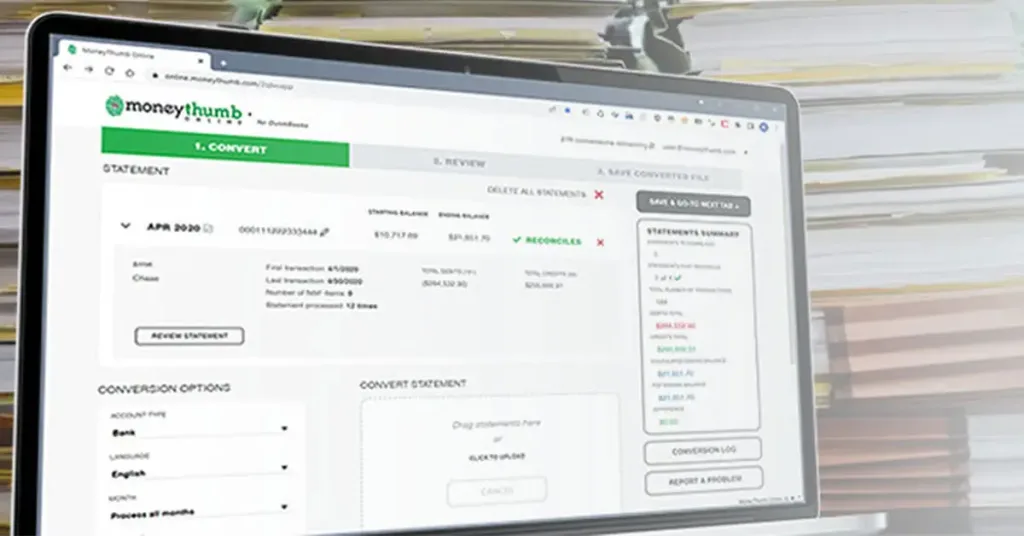
Tech-forward firms reduce this risk early in the process. Modern tools can sort documents, read values, match entries, and organize statements automatically. This cuts down on repetitive work and gives teams more room to focus on checks that actually require professional judgment.
A few practical gains include:
- Less time fixing small inconsistencies
- Fewer last-minute adjustments before deadlines
- Smoother internal reviews with clearer trails
The result is simple: work becomes more reliable. Clients receive reports that need less clarification, and staff waste less time correcting avoidable mistakes.
2. Stronger Compliance Without Extra Stress
Regulations shift regularly, and each change brings new forms, new reporting standards, or new filing requirements. Firms that manage compliance manually often scramble during these transitions, creating stress for both teams and clients.
Modern accounting systems help by updating rules on their own and automatically checking entries against current regulations. This reduces the weight on staff while improving accuracy across the board.
Instead of constantly monitoring rule changes, accountants can spend time confirming that client decisions align with regulations, not searching for updated forms.
This creates confidence for clients who want assurance that their filings are consistently correct and up to date.
3. Real-Time Insight Instead of Backward Reviews
Most clients no longer want to wait until month-end or year-end to understand their financial position. They prefer ongoing clarity, updated cash flow, spending patterns, tax exposure, and performance trends throughout the year.
Firms that work with modern systems can provide these insights instantly. When financial data flows into dashboards in real time, accountants can share early warnings, spot cash shortages ahead of time, and help clients stay prepared.
Clients gain better decision-making support, such as:
- Knowing when to delay or accelerate expenses
- Planning for upcoming tax commitments
- Adjusting cash flow before issues arise
This makes the accountant far more valuable than someone who simply records past transactions. It turns the relationship into continuous financial guidance.
4. A Lighter Workload for Staff and Better Use of Skills
One of the biggest challenges in accounting is staff burnout. Long seasons of intense work, combined with repeated manual tasks, lead to turnover and higher training costs. Relying on additional hiring alone is not a sustainable strategy.
Tech-forward firms improve workload management by shifting repetitive tasks to automated systems. This allows teams to focus on review, analysis, and meaningful communication with clients. Junior staff can learn more advanced skills earlier, and senior staff can focus on oversight instead of data entry.
Firms report steady improvements when they adopt this approach:
- Higher accuracy from fewer repetitive tasks
- Better morale during peak seasons
- Smoother onboarding for new staff
This creates a healthier work environment and a more resilient firm overall.
5. Clearer Communication and Faster Turnaround Times
Traditional communication long email chains, scattered attachments, and follow-ups, slows down client service. Many firms lose hours each week just collecting missing documents or explaining minor details.
Tech-forward firms streamline this through secure portals, organized folders, and structured message systems that keep everything in one place. Clients can upload files, check reports, and request updates without waiting for an email reply.
This approach gives clients:
- Better visibility into their information
- Fewer delays
- A simpler way to stay organized
When communication becomes easier, trust grows naturally. Clients appreciate having access to their financial information without unnecessary back-and-forth.
6. Scalable Operations That Support Growth
A firm cannot grow sustainably if every new client requires a large increase in staff. Without structured systems, teams become overwhelmed, reviews take longer, and margins shrink.
Firms that adopt modern tools achieve growth with far less strain. Once systems are in place, clients follow similar workflows, documents move through the same checks, and reports are generated in consistent formats. This means the firm can handle greater volume without sacrificing accuracy or client satisfaction.
Scalability becomes a strategic advantage. The firm can take on larger clients, expand into new service areas, or grow its advisory offerings without chaos behind the scenes.
7. Stronger Data Protection and Lower Risk
Accounting firms manage highly sensitive information, making security a top priority. Outdated systems increase exposure to risks such as lost files, unauthorized access, and accidental deletions.
Modern accounting platforms provide stronger built-in protection, including:
- Controlled access for each user
- Record of every file change
- Encrypted document storage
- Backups that run automatically
This approach reduces risks and reassures clients that their data is handled responsibly. In an environment where trust is essential, strong security is not optional; it is a core part of professional service.
8. A Clear Edge in a Crowded Market
Many firms offer similar services: bookkeeping, payroll, tax filings, and financial reporting. What sets a firm apart is not the list of services but the experience of working with them.
Tech-forward firms deliver cleaner results, quicker responses, and clearer guidance. Clients immediately notice when:
- Reports arrive earlier
- Fewer issues appear
- Requests are handled without delays
- Advice is based on current data, not outdated spreadsheets
This creates a reputation for consistency. And consistency is a long-term competitive edge.
Instead of spending resources on aggressive marketing, firms grow naturally through referrals and strong client retention.
9. Ability to Offer Higher-Value Services
Compliance work is necessary, but it is also becoming more automated across the industry. Firms that depend too heavily on manual compliance work risk shrinking margins and rising competition.
Tech-forward firms use modern systems to move beyond basic tasks and offer services that clients consider strategic, such as:
- Cost control analysis
- Cash flow planning
- Growth forecasting
- Spending reviews
- Performance benchmarking
These services require a strong foundation of accurate and current data, which technology provides. Once the data is in place, accountants can step into a more advisory-focused role that strengthens long-term relationships.
Clients appreciate clear explanations backed by reliable numbers. This opens the door to additional revenue streams without stretching the firm beyond its capacity.
10. Greater Stability in an Industry Under Pressure
The accounting sector faces several ongoing challenges: increasing competition, rising client expectations, seasonal workloads, and constant regulatory changes. Firms that rely on outdated methods find these challenges harder each year.
Tech-forward firms stay more stable because their systems absorb much of the friction. They are not running behind on updates. They do not lose time to misplaced files. Their teams do not face the same burnout levels. Their clients stay informed without frustration.
This stability affects the entire firm:
- Better long-term planning
- Higher client retention
- More predictable workloads
- Reduced stress during busy periods
A stable foundation allows firms to grow without losing control of their operations.
Final Thoughts
The future of accounting belongs to firms that combine strong expertise with organized, modern systems. This combination strengthens accuracy, communication, compliance, and client satisfaction. It creates an environment where professionals can focus on meaningful work, clients receive clearer guidance, and growth becomes more manageable.
A tech-forward approach is not about chasing trends; it is about building a firm that operates with structure and clarity. The firms that adopt this mindset will be the ones that thrive in the years ahead, while others struggle with inefficiencies they can no longer afford.
FAQs
1. What makes a tech-forward accounting firm different from a traditional one?
A tech-forward firm builds its workflow around modern systems that automate routine tasks, reduce manual errors, and improve access to real-time information. Instead of spending most of their time on data entry, the team can focus on review, analysis, and client guidance. This creates smoother operations and a more reliable experience for clients.
2. Do clients actually benefit from real-time accounting data?
Yes. When clients can see current financial numbers, they make better decisions about spending, planning, and tax preparation. Real-time updates help identify issues early, avoid surprises, and support clearer communication between the client and the accountant. It also reduces delays because both sides work with the same updated information.
3. Is adopting new accounting technology expensive for a firm?
The initial investment depends on the tools chosen, but most firms recover the cost through increased efficiency, fewer errors, and higher output per staff member. Once repetitive work is reduced, teams free up hours that can be redirected toward higher-value services. Over time, the firm saves money by reducing overtime, preventing mistakes, and improving client retention.
4. How does technology improve compliance and reporting accuracy?
Modern accounting systems automatically apply updated rules, validate entries, and highlight potential inconsistencies. This lowers the risk of incorrect filings and gives accountants more time to focus on reviewing the data instead of searching for regulatory changes. The result is more accurate reports and fewer last-minute corrections.
5. Will technology replace accountants in the future?
No. Technology handles repetitive tasks, but it cannot replace professional judgment, client communication, or strategic decision-making. Accountants remain essential for interpreting financial data, advising clients, and ensuring compliance. Technology simply allows them to perform their work with greater clarity, speed, and consistency.
References
- https://safesend.com/about/news/tech-forward-tax-firms-future/#:~:text=Tech%2Dforward%20tax%20firms%20have%20moved%20beyond%20just%20responding%20to,time%20spent%20on%20compliance%20tasks.
- https://www.cpa.com/blog/2025/07/17/how-forward-thinking-firms-are-turning-technology-fuel-growth
- https://www.wolterskluwer.com/en/expert-insights/a-technology-forward-accounting-firm-offers-clients-and-staff-a-more-modern-firm-experience
https://paro.ai/blog/tech-and-ai-consulting-for-firms/ - https://tax.thomsonreuters.com/blog/navigating-ai-culture-and-talent-in-tax-firms/
- https://futurefirm.co/will-ai-take-over-accounting/
- https://royalwise.com/leveraging-technology-accounting-firm/
- https://karbonhq.com/resources/accounting-firm-tech-stack/
- https://www.njcpa.org/article/2025/01/10/how-technology-is-transforming-the-accounting-profession
- https://jetpackworkflow.com/blog/jason-staats-technology-accounting/

















Add comment