

Choosing the best fraud detection software depends on many factors, such as your personal situation, your business type, transaction volume, risk exposure, and how quickly you need to identify suspicious activity. The right system should detect unusual behavior early, reduce financial losses, and integrate smoothly with your existing tools. Instead of focusing only on brand names, it’s smarter to evaluate features like machine learning detection, real-time monitoring, integration options, and reporting capabilities. When these elements align with your business needs, fraud prevention becomes far more effective and manageable.
That’s where fraud detection software comes in. A strong solution can monitor transactions, flag suspicious activity, and help teams respond before losses occur.
Understanding What Fraud Detection Software Actually Does
Fraud detection software is designed to analyze financial or transactional data and identify patterns that suggest fraud. Instead of manually reviewing thousands of records, companies rely on automated systems that monitor activity in real time.
These systems use a mix of rule-based logic, machine learning models, and behavioral analysis to identify irregular behavior. When something looks unusual, such as sudden large withdrawals or abnormal transaction patterns, the software alerts administrators.
In my experience reviewing different platforms, the biggest benefit isn’t just catching fraud. It’s catching it early. Once fraudulent activity spreads through financial records, cleanup becomes far more difficult.
A typical fraud detection system focuses on several core tasks:
- Monitoring transactions and financial data in real time
- Identifying unusual behavior patterns
- Triggering alerts when suspicious activity occurs
- Providing reports for investigation and auditing
- Helping businesses comply with financial regulations
These capabilities work together to reduce financial losses and protect sensitive information.
Types of Fraud Businesses Need to Detect
Not all fraud looks the same. A company handling online payments faces different threats than a firm managing financial records or accounting documents.
Understanding the most common fraud types helps businesses choose software designed to detect those specific risks.
Some of the most common fraud categories include:
- Payment fraud and unauthorized transactions
- Identity theft and account takeover
- Invoice manipulation or fake vendor payments
- Insurance fraud and claim manipulation
- Financial document fraud
Each type requires slightly different detection strategies. For example, payment fraud often focuses on transaction velocity and behavioral patterns, while document fraud may involve identifying altered records or mismatched data.
Key Features to Look for in Fraud Detection Software
Choosing the right software means looking beyond marketing claims and focusing on practical capabilities. The strongest fraud detection systems combine multiple layers of protection rather than relying on a single detection method.
Before selecting a solution, it helps to understand which features actually matter in day-to-day operations.
The most valuable features include:
- Real-time transaction monitoring to detect suspicious activity instantly
- Machine learning models that adapt to new fraud patterns
- Custom rule configuration for specific business risks
- Integration with existing systems, like payment processors or accounting software
- Detailed reporting tools for investigations and audits
These features allow organizations to detect both known fraud tactics and new methods that emerge over time.
Rule-Based vs Machine Learning Fraud Detection
Fraud detection systems typically rely on two main detection approaches: rule-based analysis and machine learning models.
Rule-based systems follow predefined instructions. For example, a rule may flag any transaction above a certain amount or activity from unusual locations.
Machine learning systems work differently. They analyze historical data to identify patterns and then learn to recognize unusual behavior automatically.
Here is a simplified comparison:
| Detection Method | How It Works | Strength |
| Rule-based detection | Uses predefined rules to flag suspicious activity | Easy to understand and configure |
| Machine learning detection | Learns from historical data and detects anomalies | Identifies complex fraud patterns |
| Hybrid systems | Combines rules and machine learning | Stronger protection overall |
Most modern fraud detection platforms use hybrid systems that combine both approaches.
Evaluating Fraud Detection Software for Different Industries
Different industries face very different fraud risks. A payment processing company deals with card fraud, while accounting firms may focus more on document manipulation or financial statement irregularities.
Because of this, the best software for one industry may not work well for another.
For example, financial institutions typically require advanced transaction monitoring and regulatory compliance features. E-commerce companies need tools that monitor payment behavior and customer account activity.
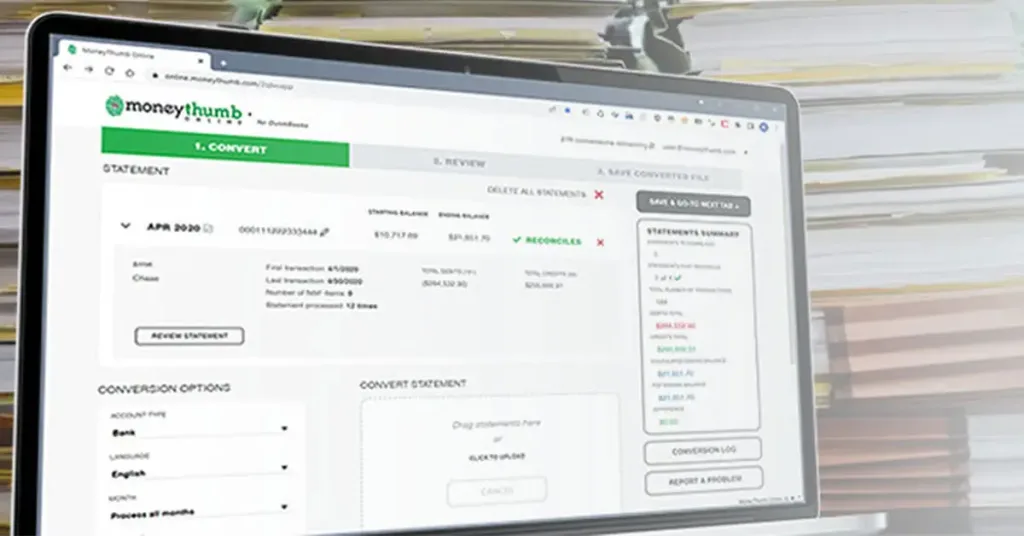
Businesses that handle financial documents may require tools that can analyze statements, extract data, and verify accuracy. In those situations, specialized tools such as the proprietary offerings of MoneyThumb are used to extract and analyze financial data from documents, which can assist broader fraud investigation workflows. The key is matching software capabilities with the actual risks your organization faces.
How Real-Time Monitoring Helps Prevent Financial Loss
Real-time monitoring is one of the most important features in modern fraud detection systems. Without it, suspicious transactions may go unnoticed until financial damage has already occurred. This allows teams to act quickly, freezing accounts, blocking payments, or launching investigations.
From what I’ve seen in real-world cases, timing often determines whether fraud costs hundreds of dollars or hundreds of thousands. Early detection changes everything.
Real-time monitoring typically includes:
- Continuous transaction analysis
- Behavioral pattern tracking
- Automated alert notifications
- Immediate response capabilities
Together, these features create a much stronger defense against financial fraud.
Integration with Existing Financial Systems
One challenge businesses often overlook is integration. Even the most advanced fraud detection platform becomes frustrating if it cannot connect easily with your current systems.
Most organizations already rely on tools like accounting software, payment processors, CRM systems, or banking platforms. Fraud detection software should integrate smoothly with these tools.
Without proper integration, teams may need to export data manually, which slows investigations and increases the chance of missing suspicious activity.
Key integration considerations include:
- Compatibility with accounting software
- Connection with payment gateways
- API access for automation
- Data synchronization with financial systems
Good integration ensures that fraud detection becomes part of the normal workflow instead of an isolated tool.
The Role of Data Quality in Fraud Detection
Fraud detection software relies heavily on data. If the data entering the system is incomplete or inconsistent, detection accuracy drops significantly.
Clean, structured financial data helps algorithms identify unusual behavior much more reliably.
This is especially important when dealing with financial statements, transaction logs, or accounting records from different sources.
Companies that process large volumes of financial documents often need tools that convert those documents into structured data before analysis begins.
When data quality improves, fraud detection systems become far more accurate and reliable.
Cost Considerations When Choosing Fraud Detection Software
Fraud detection systems vary widely in cost depending on their complexity and features. Some platforms charge monthly subscriptions, while others charge based on transaction volume or data usage. Businesses should evaluate costs carefully because the cheapest solution isn’t always the best value. In practice, cost decisions often come down to risk tolerance. Companies handling high transaction volumes or sensitive financial data typically justify higher costs for stronger protection.
Factors that affect pricing include:
- Transaction volume monitoring
- Advanced machine learning features
- Real-time analytics capabilities
- Custom rule configuration
- Integration and API access
When evaluating pricing, it’s helpful to compare potential fraud losses against software costs.
Implementation and Staff Training
Installing fraud detection software is only the first step. Teams also need training to interpret alerts and respond effectively.
Even the best systems generate alerts that require human review. Staff must understand how to evaluate those alerts and determine whether further investigation is necessary.
Implementation usually involves:
- Configuring detection rules
- Integrating data sources
- Setting alert thresholds
- Training employees on investigation workflows
When staff understand the system well, detection accuracy and response speed both improve.
Measuring the Effectiveness of Fraud Detection Systems
After implementing fraud detection software, businesses should track performance over time. This helps determine whether the system is actually reducing fraud risk.
Several metrics can help measure effectiveness:
- Number of fraud attempts detected
- False positive rates
- Investigation response times
- Financial losses prevented
Monitoring these metrics allows organizations to adjust rules and improve detection accuracy.
Over time, this process helps create a more reliable fraud prevention strategy.
Common Mistakes When Selecting Fraud Detection Software
Many organizations rush into selecting fraud detection tools without fully evaluating their needs. This often leads to systems that are either too complex or not capable enough.
A few common mistakes appear repeatedly during software selection.
Some of the most frequent problems include:
- Choosing software without industry-specific features
- Ignoring integration compatibility
- Underestimating training requirements
- Selecting tools based only on price
Avoiding these mistakes can save both time and money during implementation.
Final Thoughts on Choosing Fraud Detection Software
Fraud detection software plays a critical role in protecting financial systems, transactions, and sensitive data. The right solution should combine real-time monitoring, machine learning analysis, and seamless integration with existing tools. Businesses should focus on practical needs rather than marketing promises. Understanding fraud risks, evaluating features carefully, and ensuring good data quality are the most important steps in choosing the right system.
When implemented correctly, fraud detection software becomes more than a security tool. It becomes part of a company’s overall financial protection strategy.
FAQs
What is fraud detection software used for?
Fraud detection software analyzes financial transactions and data patterns to identify suspicious activity. It helps businesses detect fraud attempts early and reduce financial losses.
How does fraud detection software detect suspicious activity?
Most systems use a combination of rule-based analysis and machine learning models. These technologies identify unusual behavior patterns that may indicate fraud.
Is machine learning necessary for fraud detection?
Machine learning is not strictly required, but it greatly improves detection accuracy. It helps systems recognize new fraud patterns that traditional rule-based systems may miss.
Can small businesses benefit from fraud detection software?
Yes. Even small businesses face risks such as payment fraud or account takeovers. Many modern fraud detection platforms offer scalable options designed for smaller organizations.
References
- https://www.ibm.com/topics/fraud-detection
- https://www.mckinsey.com/capabilities/risk-and-resilience/our-insights/fighting-financial-crime-with-advanced-analytics
- https://www.pwc.com/gx/en/issues/cybersecurity/economic-crime-survey.html
- https://www.deloitte.com/global/en/services/risk-advisory/analysis/fraud-detection.html
- https://www.sas.com/en_us/insights/fraud/fraud-detection.html
- https://www.acfe.com/fraud-resources/fraud-101
- https://www.fico.com/en/solutions/fraud-management
- https://www.kaspersky.com/resource-center/definitions/fraud-detection
- https://www.finextra.com/blogposting/22013/how-ai-is-used-in-fraud-detection
- https://www.moneythumb.com/



















Add comment