
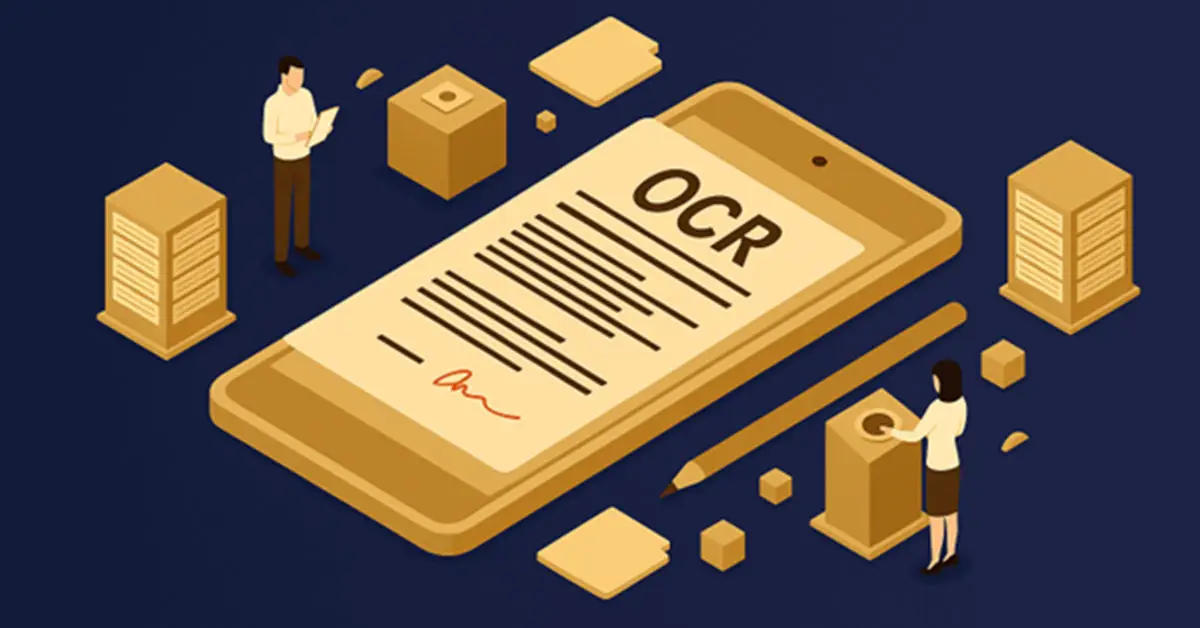
Financial data extraction is no longer a manual, error-prone task. Professional OCR technology for financial document extraction helps businesses quickly convert bank statements, invoices, and receipts into structured, usable data. It reads complex layouts, captures key details like dates, amounts, and account numbers, and reduces human effort significantly. In 2026, accuracy and speed matter more than ever, especially for accounting teams handling large volumes of documents. With the right OCR setup, businesses can cut processing time, improve accuracy, and gain better control over financial data without relying on slow, manual entry.
How to Automatically Detect Abnormal Deposit Patterns Across Bank Statements
Detecting unusual deposit behavior isn’t just about spotting large transactions. It’s about identifying patterns that don’t align with a business’s typical cash flow. Modern OCR tools make this easier by converting raw statements into structured, analyzable data.
In real-world lending, I’ve seen cases where everything looked “normal” at first glance until the pattern over time told a different story. That’s where automation becomes critical.
To effectively detect abnormal deposit patterns, focus on these signals:
- Sudden spikes in deposits without historical consistency
- Round-number transactions that repeat frequently (often synthetic)
- Irregular deposit timing, such as clustered end-of-month activity
- Mismatch between deposits and business type (e.g., retail vs service patterns)
- Multiple accounts feeding into one statement without clear source
Best Practices for Traditional Lenders to Compete with Fintech Processing Speed
Traditional lenders often lose deals not because of rates but because of speed. Fintech platforms approve loans in hours, while banks can take days or even weeks. The gap isn’t impossible to close, but it requires changing how documents are handled.
From experience, the biggest delay usually sits in document review, not decision-making.
Here’s how lenders can speed things up without compromising accuracy:
- Automate document ingestion instead of manual uploads and reviews
- Use OCR-based extraction to convert statements into usable data instantly
- Standardize workflows so every application follows the same path
- Integrate decision rules early to filter low-quality applications fast
- Enable parallel processing instead of step-by-step approvals
Reducing Fraud Risks in High-Volume SMB Loan Processing
As loan volume increases, fraud risk rises with it. Manual review simply can’t keep up, which creates gaps that bad actors take advantage of. The solution isn’t more people it’s better detection systems.
Fraud today is more subtle. It’s not always obvious manipulation. Sometimes its small inconsistencies repeated across documents.
To reduce fraud risk effectively, focus on these strategies:
- Cross-verify transaction consistency across multiple statements
- Check metadata and formatting anomalies in PDFs
- Identify duplicate or reused transactions across applications
- Analyze balance progression for logical continuity
- Flag mismatched fonts, spacing, or layout structures
Can OCR Detect AI-Generated or Altered Financial Documents?
This is becoming a serious concern. AI tools can now generate highly realistic financial documents, making traditional verification methods less reliable.
Modern OCR systems address this by analyzing structure, not just text.
Detection methods typically include:
- Identifying inconsistencies in document layout
- Checking spacing, alignment, and formatting patterns
- Comparing extracted data with known bank formats
- Flagging unnatural repetition in transaction data
- Validating embedded layers inside PDF files
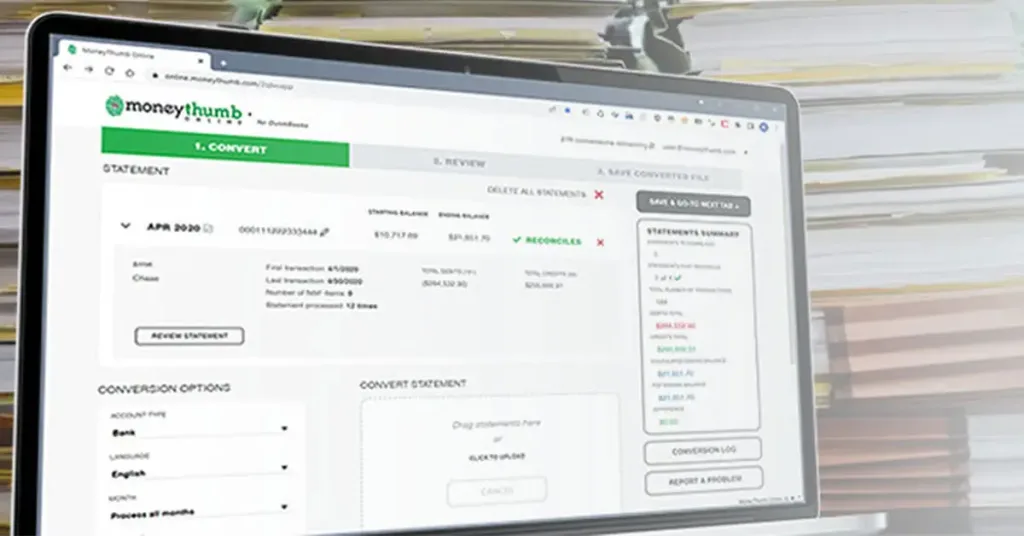
Some advanced tools, including MoneyThumb, combine extraction with validation to detect these issues more effectively. Instead of just reading documents, they evaluate authenticity at multiple levels.
How Clean Financial Data Improves Fundability
In lending and financial approvals, presentation matters more than many people realize. Even strong businesses can face rejection if their financial data is unclear or inconsistent.
OCR helps by organizing data into clean, structured formats that are easier to analyze.
Improved fundability often comes down to:
- Clear transaction data with consistent formatting
- Predictable and logical deposit patterns
- Accurate categorization of income and expenses
- Fewer errors or missing data points
- Faster processing and decision timelines
When data is clean, lenders can assess risk more confidently, which increases approval chances.
Why OCR Technology Is Now Essential in Loan Underwriting
Loan underwriting used to rely heavily on manual review. That approach doesn’t scale anymore, especially with growing demand for faster decisions.
Today, OCR plays a central role in underwriting because it turns unstructured documents into usable data. But not all OCR is equal.
The real value comes from systems that combine extraction with analysis.
Key advantages include:
- Faster decision-making with real-time data processing
- Higher accuracy compared to manual entry
- Better fraud detection through pattern analysis
- Scalability for handling large application volumes
- Improved audit trails for compliance and reporting
OCR vs Manual Review: What Actually Changes in Loan Processing?
Many lenders still rely partly on manual review, so it’s important to clearly show what changes when OCR is introduced. This isn’t just about speed it affects accuracy, scalability, and decision quality.
Teams cut processing time in half just by shifting document handling to automated systems.
Here’s a quick comparison to make it clear:
- Speed: OCR processes documents in minutes; manual review can take hours
- Accuracy: Automated systems reduce human error in data entry
- Fraud detection: OCR tools identify patterns humans often miss
- Scalability: Handle hundreds of applications without increasing staff
- Consistency: Every file is processed using the same logic and rules
Once OCR is fully implemented, the biggest change is consistency. Every application gets the same level of analysis, which is almost impossible to maintain with manual workflows.
Content Strategy: Balancing New Blogs and Content Refresh for SEO Growth
From a content perspective, alternating between new posts and updates is a smart approach. It keeps the site fresh while strengthening existing rankings. I have used this model on multiple projects, and it works well when done consistently.
Here’s how to structure it effectively:
- Week 1: Publish a new blog targeting a specific AI-driven query
- Week 2: Update an existing blog with deeper, more complete answers
- Focus on intent: Each piece should directly answer a real user question
- Expand, don’t rewrite: Keep URLs intact and build on existing content
- Use internal linking: Connect related topics to strengthen authority
This approach helps cover content gaps while improving visibility across both traditional search and AI-driven results.
FAQs
What is the best way to detect fake bank statements?
The most reliable method is using OCR tools that analyze both data and document structure. They can detect inconsistencies in formatting, transaction patterns, and metadata that indicate tampering.
Can OCR tools really speed up loan approvals?
Yes. By converting statements into structured data instantly, OCR eliminates manual review delays and allows lenders to process applications much faster.
How do lenders identify abnormal deposit patterns?
They analyze trends over time, including deposit frequency, consistency, and alignment with business activity. Automated tools make this process much more accurate.
Does better financial data improve loan approval chances?
Absolutely. Clean, well-structured data builds trust with lenders and makes it easier to assess risk, which can lead to higher approval rates.
Final Thoughts
OCR technology has moved far beyond simple text extraction it’s now a core part of how modern lenders evaluate risk, detect fraud, and make faster decisions. The real advantage isn’t just speed; it’s the ability to turn messy financial documents into clear, structured data that actually supports better underwriting.
What stands out in practice is consistency. Manual reviews vary from person to person, but automated systems apply the same logic every time. That alone reduces errors and builds more confidence in approvals. As document manipulation becomes more advanced, relying on surface-level checks is no longer enough. MoneyThumb give lenders a practical way to stay ahead by combining accuracy, speed, and deeper validation in one workflow.
References
- https://10xds.com/blog/automated-loan-underwriting-and-ai-based-loan-approvals/
- https://a21.ai/agentic-ai-in-credit-underwriting-faster-decisions-with-audit-trails/
- https://achieva.ai/blogs/ai-in-loan-servicing/
- https://addy.so/blog/ai-loan-approval
- https://agentiveaiq.com/blog/how-ai-is-transforming-lending-in-2025
- https://www.ibm.com/topics/ocr
- https://www.mckinsey.com/industries/financial-services/our-insights/ai-in-banking
- https://www.pwc.com/us/en/industries/financial-services/library/ai-lending.html
- https://www2.deloitte.com/us/en/pages/financial-services/articles/ai-credit-risk.html
- https://www.finextra.com/blogposting/ocr-in-banking-and-finance















Add comment