
PDF sleuthing is the forensic examination of a PDF’s structure, metadata, fonts, images, revisions, signatures, and financial data to determine whether a document is authentic or has been altered. In lending, this matters because a forged bank statement may look completely normal to an underwriter while hidden parts of the file tell another story. Modern PDF forensics can reveal changed balances, removed transactions, pasted signatures, editing traces, and structural inconsistencies that the human eye may never notice.
Fraud detection is no longer just about spotting crooked text, poor logos, or obvious formatting errors. A well-made forgery can look almost identical to a genuine bank statement. The real clues may sit underneath the visible page.
What Does PDF Sleuthing Actually Examine?
A PDF contains far more information than the page displayed on a monitor. Behind that page can sit text objects, font references, images, metadata fields, cross-reference data, embedded content, revision records, and signature information.
Forensic software examines these components independently and checks whether they support the same story. A genuine bank statement may show consistent creation software, expected fonts, logical revisions, and transactions that reconcile. A suspicious document might contain unexpected editing software, unusual font substitutions, newly inserted objects, or unexplained changes around key balances. The PDF Association notes that revisions and internal objects can contain information ordinary PDF viewers do not expose.
| Forensic Layer | What Is Checked | Possible Warning Sign |
| Metadata | Creator, producer, creation and modification dates | Unexpected PDF editor |
| File structure | Objects, revisions and cross-reference data | Objects added after creation |
| Fonts and text | Font family, size, spacing and encoding | Different font around one balance |
| Images | Compression, overlays and local image differences | Pasted signature or replaced section |
| Financial data | Transactions, totals and running balances | Numbers fail to reconcile |
Why Doctored Bank Statements Can Fool Human Reviewers
Manual review still has value, but people mainly judge what they can see. A skilled fraudster can change a deposit from $4,200 to $14,200, remove an NSF transaction, alter monthly revenue, or replace a closing balance while preserving the original layout. The new number may use almost the same typeface, spacing, size, and color. On a normal screen, there may be no obvious reason to question it. This is why document verification systems increasingly examine metadata, font layers, internal PDF structure, image characteristics, and editing history rather than relying solely on visual appearance.
Metadata Can Reveal a Suspicious Editing History
Metadata is one of the first places investigators may look. PDF files can contain information about the software used to create them, the producer application, creation date, modification date, and other document properties.
Suppose a bank normally generates monthly statements through its own statement system, but one applicant's file shows that it passed through a consumer PDF editor shortly before the loan application. That doesn't automatically prove fraud, but it creates a reason to investigate further.
Metadata should never be treated as final proof. Legitimate documents may be compressed, merged, watermarked, or resaved. Terra Insight specifically warns that an editing signal does not automatically mean fraud and that metadata-only checks can miss more sophisticated manipulation.
Invisible PDF Revisions Can Leave Valuable Evidence
One of the most useful concepts in PDF forensics is the incremental update. Certain PDF applications do not completely rewrite a document when something changes. Instead, they append a new revision to the existing file. The final page displays the latest version, but information associated with earlier revisions may still remain inside the PDF.
The PDF Association explains that incremental updates can add objects, replace existing information, mark objects as deleted, or modify other document data. These revisions matter when investigators need to determine whether a statement, invoice, contract, or other financial record changed after it was first created.
An extra revision isn't proof of fraud. The key question is what changed and whether there is a reasonable explanation.
Font Analysis Can Find Tiny Changes to Financial Figures
Changing one number may sound simple, but replacing text inside a PDF can leave technical differences. The new figure might use another font subset, encoding method, character spacing value, font size, or text object. Those differences can remain even when the text looks nearly identical on the screen.
This makes font inspection especially useful for bank statements. Investigators can compare the font properties surrounding deposits, balances, dates, and transaction amounts against the rest of the document.
The important part is context. Banks occasionally change statement formats, so unusual font information should trigger review rather than an automatic fraud decision.
Image Forensics Can Find Pasted Signatures and Replaced Sections
Not every fraudulent PDF contains editable text. A fraudster can convert a statement page into an image, alter it, and then place that image inside a new PDF. Another approach is to paste a signature, stamp, account number, or transaction block over an existing document.
Image analysis can examine differences in resolution, compression, sharpness, edges, and embedded media properties. This becomes especially useful with scanned bank statements, photographed financial records, signed agreements, and flattened documents where ordinary text analysis may provide limited evidence.
A Handwritten-Looking Signature Does Not Prove Authenticity
One of the biggest misconceptions in document review concerns signatures.
A signature that appears handwritten may simply be an image copied from another file. Someone can crop a signature, resize it, and place it onto a contract without leaving an obvious visual difference. Certificate-based PDF signing provides stronger evidence because software can validate the signing certificate, review signature status, and determine whether relevant document changes occurred afterward. Adobe also allows users to compare a previously signed version against the current version when investigating later modifications.
For lenders, the distinction matters when reviewing loan agreements, guarantor documents, authorizations, contracts, and signed financial records.
Financial Math Can Expose Fraud That Looks Perfect
PDF structure is only one side of bank statement verification. Lenders should also ask whether the numbers work mathematically. A bank statement follows basic accounting relationships. The opening balance, deposits, withdrawals, charges, and ending balance need to agree. Running balances should follow the transaction sequence. Monthly totals should also correspond with the individual entries. If someone increases a $5,000 deposit to $15,000 but fails to correct every later balance, automated reconciliation can identify the break.
This is particularly useful because arithmetic provides an objective test. However, a carefully constructed fraudulent statement may still reconcile perfectly. That is why lenders should combine financial consistency analysis with file-level forensic checks rather than choosing one method over the other.
How Advanced PDF Forensics Is Changing Commercial Lending
Commercial lending involves documents such as bank statements, tax records, invoices, contracts, ownership records, and financial statements. Reviewing each page manually creates both time pressure and the possibility of missed manipulation.
Forensic screening allows authenticity checks to happen near document intake. Suspicious files can be flagged before analysts spend substantial time spreading financials or building a credit recommendation. Instead of searching manually for every possible problem, an underwriter can investigate specific exceptions such as an unexpected PDF producer, a font mismatch, an unexplained revision, broken balance math, or conflicting applicant information.
This keeps human judgment in the process while giving reviewers clearer evidence about where to look.
How PDF Verification Is Changing in SMB Lending
Small-business lending creates a particular document problem because borrowers may use different banks, processors, accounting systems, and financial services. A lender may therefore receive several document formats within the same application package.
Fraud detection tools are responding by checking more than basic formatting. Current lending-focused systems advertise checks involving metadata, file structure, fonts, transaction consistency, document identities, AI-created records, and inconsistencies between documents. Kaaj, for example, describes checking document-level forensic signals alongside mismatches across SMB credit files.
The wider lesson is important: verifying a PDF and evaluating the business are separate jobs. An authentic statement can still reveal poor cash flow, while a financially attractive statement may be fabricated.
Can Software Find Fraud That the Human Eye Cannot See?
Yes. Software can detect many clues that even an experienced reviewer may miss, including metadata conflicts, hidden revisions, unusual object structures, subtle font differences, inconsistent transaction balances, and file properties that are invisible in a normal PDF viewer.
Some commercial products report results within seconds.
No software should claim that one signal can prove every document genuine. Sophisticated fraud can recreate metadata, fonts, layouts, and mathematically correct transactions.
Why Multi-Signal Verification Matters
The direction of PDF fraud detection is moving from simple file inspection toward checking several independent layers together.
A modern verification process may compare PDF structure, revisions, metadata, fonts, image properties, transaction arithmetic, applicant information, other submitted records, and external data. This matters because newer forgeries may not contain obvious editing traces. A document created from scratch could have clean metadata and no suspicious revision history.
The strongest evidence comes when several checks agree. If the document structure looks normal, transactions reconcile, applicant details match other records, and source information supports the numbers, confidence rises.
When those signals conflict, the document deserves closer examination rather than immediate acceptance.
A Better PDF Verification Process for Lenders
The verification process should begin when documents enter the underwriting system. Keeping the original submitted PDF matters because converting or resaving it may remove useful forensic evidence.
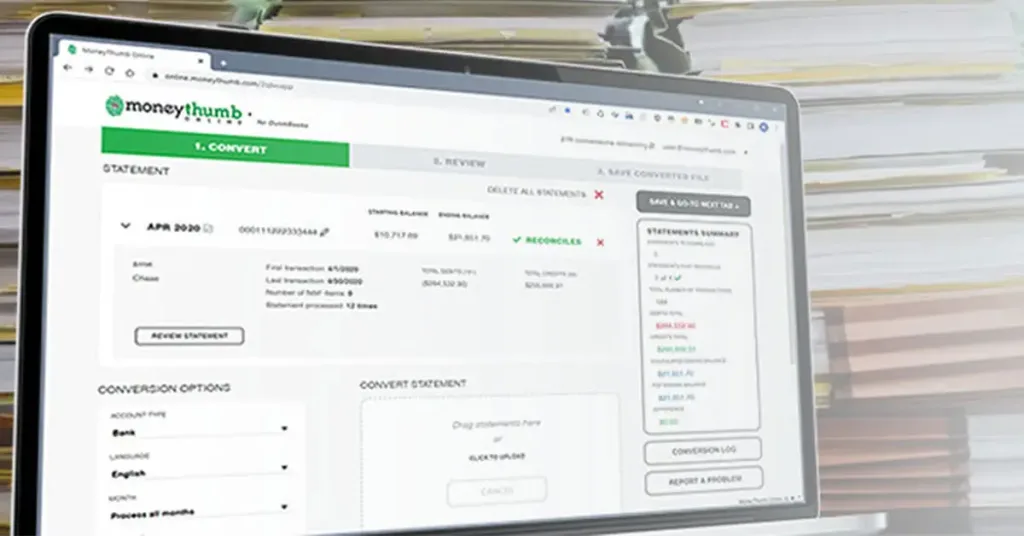
PDF fraud is becoming harder to spot through visual review alone. Lenders now need to look at file structure, metadata, transaction consistency, and other hidden signs before trusting a financial document. For lenders that regularly review bank statements, MoneyThumb can be a useful option. Its Thumbprint technology helps identify possible document tampering, while PDF Insights helps analyze transactions, balances, cash flow, NSFs, and other financial details. Used alongside human review, tools like these can help lenders catch suspicious documents earlier and make more informed underwriting decisions.
FAQs
Can PDF forensics prove that a bank statement is fake?
PDF forensics can provide strong evidence that a file was altered, but one anomaly is rarely enough to prove fraud. Investigators should compare metadata, structure, fonts, revisions, financial data, and other evidence before reaching a conclusion.
What is the easiest sign of an edited bank statement?
Unexpected creator or producer metadata can be an early warning sign, particularly when a supposed bank-issued PDF shows consumer editing software. However, legitimate processing can also change metadata, so further checks are necessary.
Can a forged signature be detected inside a PDF?
Sometimes. A pasted signature may leave image, layering, or structural clues. Certificate-based signatures can also be validated to check signer information and whether the PDF changed afterward.
Is PDF fraud detection enough for loan underwriting?
No. PDF forensics checks document integrity, not credit quality. Lenders should also review cash flow, transaction history, borrower identity, existing obligations, business information, and source-connected financial records where appropriate.
References
- https://accurascan.com/blog-pdf-forensic-detect-tampering-establish-trust-protect-your-business
- https://pdfa.org/challenges-in-the-forensic-analysis-of-pdf-files/
- https://pdfa.org/files-inside-pdf/
- https://helpx.adobe.com/acrobat/desktop/e-sign-documents/learn-about-signatures/digital-sign-overview.html
- https://helpx.adobe.com/au/acrobat/desktop/e-sign-documents/manage-digital-signatures/validate-digital-sign.html
- https://belkasoft.com/document-forensics-with-belkasoft-
- https://www.terra-insight.com/insights/pdf-tampering-detection-bank-statements-india/
















Add comment