

Fraud prevention in automated underwriting systems requires more than basic identity checks and credit scoring. Modern lenders must verify document authenticity, detect hidden cash-flow manipulation, identify suspicious transaction patterns, and validate borrower-provided financial data before making lending decisions. By combining automated fraud detection with cash-flow analysis and document authentication, lenders can reduce losses, improve underwriting accuracy, and approve legitimate borrowers faster.
The lending industry has undergone significant changes over the last decade. Automated underwriting systems now evaluate thousands of applications daily, helping lenders make faster and more consistent decisions.
This article explores the most common fraud risks in automated underwriting systems and explains how lenders can strengthen fraud prevention without creating additional work for underwriting teams.
Why Fraud Is a Growing Problem in Automated Underwriting
Traditional underwriting relied heavily on manual reviews. Underwriters inspected documents, checked inconsistencies, and used experience to identify suspicious applications.
Modern automated underwriting systems process large volumes of applications with minimal human involvement. While this improves productivity, it also means fraudulent submissions can move through workflows much faster if controls are weak.
Several factors contribute to increased fraud exposure:
- Digitally altered bank statements
- Synthetic identities
- Fake income documentation
- Hidden liabilities
- Manipulated cash-flow records
- Transaction laundering
- Fabricated business revenue
Fraudsters increasingly use editing software, AI-generated documents, and sophisticated PDF manipulation techniques to create convincing financial records.
Many altered documents appear legitimate to the human eye, making automated verification essential.
The Cost of Fraud in Lending Operations
Fraud affects lenders far beyond individual loan losses.
A single fraudulent approval can create multiple downstream costs, including collections expenses, legal costs, operational investigations, and regulatory scrutiny.
Common consequences include:
| Impact Area | Effect on Lender |
| Loan Defaults | Higher charge-offs |
| Underwriting Costs | Increased manual review workload |
| Compliance Risk | Regulatory exposure |
| Portfolio Performance | Reduced profitability |
| Customer Trust | Reputational damage |
| Operational Efficiency | Slower approval processes |
Even small increases in fraud rates can significantly impact portfolio performance across thousands of loans. This is why fraud prevention must become a core component of automated underwriting systems rather than an afterthought.
Common Fraud Schemes Found in Automated Underwriting
Understanding how fraud occurs is the first step toward preventing it.
Manipulated Bank Statements
One of the most common fraud tactics involves modifying bank statements before submission.
Applicants may:
- Increase account balances
- Remove overdrafts
- Delete returned payments
- Alter deposit amounts
- Hide negative transactions
Because many lenders rely on PDF statements, fraudsters often exploit weaknesses in document review processes. Without automated authentication, these modifications can go undetected.
Income Inflation
Borrowers sometimes overstate income to qualify for larger loans.
Methods include:
- Creating fake payroll records
- Altering deposit descriptions
- Adding non-existent income sources
- Modifying account transaction histories
When underwriting models rely on reported income rather than verified cash flow, inflated earnings can create inaccurate risk assessments.
Synthetic Identity Fraud
Synthetic identity fraud combines real and fabricated information to create new identities.
Fraudsters may use:
- Real Social Security numbers
- Fake names
- Manufactured employment records
- Artificial credit histories
These identities often build credibility over time before applying for larger loans.
Because synthetic identities can appear legitimate in traditional verification systems, they remain a major challenge for lenders.
Cash-Flow Manipulation
Some applicants intentionally structure transactions to create a misleading financial picture.
Examples include:
- Temporary deposits before statement generation
- Circular transfers between accounts
- Short-term borrowing to inflate balances
- Refund and reversal activity masking actual performance
This type of fraud can distort automated risk models if transaction behavior is not analyzed deeply.
How Automated PDF Authentication Reduces Fraud-Related Loan Losses
One of the biggest challenges in lending is verifying whether submitted financial documents are genuine.
Manual review often focuses on visible information, but sophisticated fraud frequently exists beneath the surface.
Automated PDF authentication analyzes:
- Metadata inconsistencies
- Layer structures
- Font irregularities
- Editing histories
- Embedded objects
- Rendering anomalies
These indicators can reveal whether documents were altered after creation.
By identifying manipulated files before approval decisions occur, lenders reduce fraud-related losses without adding extra underwriting steps. This is particularly valuable because underwriters can continue working within existing workflows while automated systems perform document verification in the background.
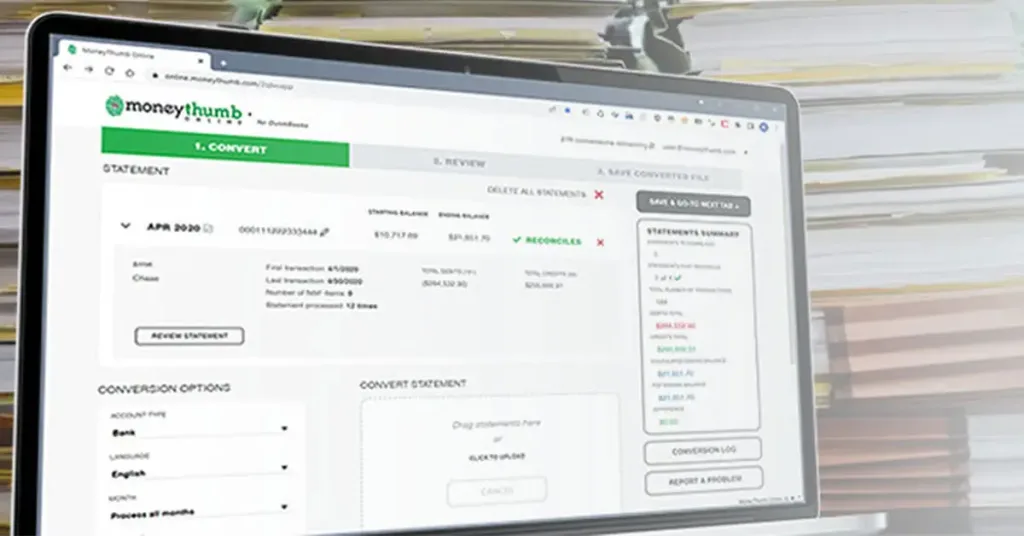
Solutions such as MoneyThumb's authentication technologies help lenders evaluate financial documents at scale while identifying potential signs of tampering that manual reviews might miss.
Detecting Hidden Refund and Reversal Patterns
One overlooked area of underwriting fraud involves refund and reversal activity.
At first glance, account balances may appear healthy. However, a deeper review may reveal frequent reversals that artificially support cash flow.
Examples include:
| Transaction Pattern | Potential Risk |
| Frequent refunds | Revenue instability |
| Large reversals | Artificial balance support |
| Repeated chargebacks | Business quality concerns |
| Cyclical deposits | Possible transaction manipulation |
| Same-day reversals | Suspicious activity |
These patterns often indicate that reported deposits do not accurately reflect ongoing business performance. Automated transaction analysis can identify behaviors that traditional statement reviews may overlook. Instead of focusing solely on ending balances, advanced systems examine transaction relationships, timing patterns, and historical consistency. This provides a more accurate picture of actual financial health.
Building Trust in Automated Cash-Flow Summaries
Many underwriting teams hesitate to rely fully on automated cash-flow analysis.
The concern is understandable.
Underwriters want confidence that automated outputs accurately represent borrower financial activity.
Trust develops when automated systems provide:
- Transparent calculations
- Consistent methodologies
- Traceable source data
- Verified transaction categorization
- Clear exception reporting
When underwriters can see how conclusions were generated, adoption increases significantly.
Rather than replacing human judgment, automated cash-flow summaries provide structured financial insights that support decision-making.
Lenders using automated cash-flow analysis often reduce manual review workloads while maintaining strong risk controls.
The key is ensuring that underlying transaction data has been authenticated and validated before analysis begins.
This is where integrated fraud detection becomes critical.
Key Technologies Used to Prevent Fraud in Automated Underwriting
Modern underwriting platforms rely on several technologies working together.
No single fraud detection method is sufficient on its own.
Machine Learning Models
Machine learning systems identify patterns that may indicate fraud.
These models analyze:
- Historical fraud cases
- Transaction behaviors
- Application characteristics
- Identity relationships
- Credit performance trends
As more data becomes available, models continuously improve detection accuracy.
Behavioral Analytics
Behavioral analysis focuses on actions rather than static information.
Examples include:
- Application timing
- Device usage patterns
- Login behavior
- Submission frequency
- Geographic inconsistencies
Behavioral anomalies often reveal fraud before financial indicators become obvious.
Document Forensics
Document forensics examines whether submitted files have been altered.
Advanced systems evaluate:
- File structures
- Metadata chains
- Rendering consistency
- OCR regeneration artifacts
- Object-level modifications
This provides deeper validation than traditional visual inspections.
Platforms such as MoneyThumb help lenders apply document forensic analysis to financial statements while maintaining efficient underwriting workflows.
Bank Data Verification
Direct bank data connections offer another layer of protection.
Instead of relying solely on uploaded documents, lenders can verify financial activity through secure banking integrations.
Benefits include:
- Reduced document fraud
- More accurate cash-flow analysis
- Faster verification
- Improved consistency
Verified transaction data improves both fraud detection and underwriting accuracy.
Balancing Fraud Prevention and Customer Experience
Fraud controls should not create unnecessary friction for legitimate borrowers. A common mistake is adding excessive verification requirements that slow approvals and frustrate applicants. Effective fraud prevention focuses on risk-based decisioning. Low-risk applicants may move through streamlined workflows, while higher-risk submissions receive additional scrutiny.
Benefits include:
- Faster approvals
- Lower abandonment rates
- Better customer satisfaction
- Improved operational efficiency
Automation allows lenders to strengthen fraud controls without increasing manual review requirements. The best systems operate behind the scenes, protecting lenders while maintaining a smooth borrower experience.
Warning Signs Every Automated Underwriting System Should Monitor
Certain indicators consistently appear in fraudulent applications.
Automated systems should flag:
- Unusual deposit spikes
- Inconsistent account balances
- Repeated document submissions
- Suspicious metadata changes
- Frequent transaction reversals
- Income inconsistencies
- Recently opened bank accounts
- Large unexplained transfers
- Synthetic identity indicators
Individually, these signals may not prove fraud. However, multiple indicators occurring together often warrant further investigation. Risk scoring models can combine these factors to prioritize reviews efficiently.
Best Practices for Preventing Fraud in Automated Underwriting Systems
Fraud prevention works best when integrated throughout the underwriting process rather than isolated within a single checkpoint. Successful lenders typically follow several best practices. First, authenticate financial documents before cash-flow analysis begins. Second, validate transaction data using multiple sources whenever possible. Third, use automated anomaly detection to identify suspicious activity patterns. Fourth, maintain continuous monitoring as fraud tactics evolve. Finally, combine automation with targeted human oversight for high-risk cases. Organizations that follow these practices often achieve stronger portfolio performance while maintaining operational efficiency. Many lenders also integrate specialized verification solutions, including tools from MoneyThumb, to improve document validation and strengthen fraud detection capabilities without adding complexity to underwriting workflows.
The Future of Fraud Prevention in Automated Underwriting
Fraud prevention is becoming increasingly data-driven. Future underwriting systems will rely more heavily on:
- Real-time fraud scoring
- AI-powered anomaly detection
- Advanced document forensics
- Open banking verification
- Behavioral intelligence
- Continuous risk monitoring
As fraud schemes become more sophisticated, lenders will need systems capable of detecting subtle manipulation techniques that traditional reviews cannot identify. The goal is not simply catching fraud after it occurs. The goal is preventing fraudulent applications from reaching approval decisions in the first place. Organizations that invest in modern fraud detection capabilities today will be better positioned to protect portfolios, improve approval accuracy, and maintain competitive lending operations in the years ahead.
Conclusion
Preventing fraud in automated underwriting systems requires a combination of document authentication, transaction analysis, behavioral monitoring, and automated risk detection. Modern fraud schemes often involve manipulated PDFs, synthetic identities, hidden cash-flow issues, and misleading transaction patterns that traditional reviews may miss.
Automated PDF authentication helps reduce fraud-related loan losses by identifying altered financial documents without adding extra underwriting steps. Advanced transaction analysis can uncover repeated refunds, reversals, and other patterns that mask true financial performance. FAQs
How can automated PDF authentication reduce underwriting fraud?
Automated PDF authentication analyzes file metadata, document structure, editing history, and rendering inconsistencies to identify altered financial documents before approval decisions are made.
What are refund and reversal patterns in underwriting?
Refund and reversal patterns refer to recurring transaction adjustments that may artificially inflate cash flow or hide financial instability. Automated analysis helps identify these behaviors.
Why do underwriters sometimes distrust automated cash-flow summaries?
Underwriters may lack visibility into how calculations are generated. Transparent methodologies, verified transaction data, and traceable reporting help increase confidence in automated summaries.
What is the biggest fraud risk in automated underwriting systems?
Document manipulation remains one of the most common risks. Fraudsters frequently alter bank statements, income records, and financial documents to appear more creditworthy than they actually are.
References
- https://www.certifiedcredit.com/the-role-of-automated-underwriting-systems-in-credit-evaluation/
- https://www.inaza.com/blog/fraud-prevention-strategies-in-underwriting-automation-for-insurers
- https://www.inaza.com/blog/preventing-fraud-in-automated-underwriting-systems
- https://www.inscribe.ai/loan-underwriting/automated-underwriting
- https://www.federalreserve.gov
- https://www.consumerfinance.gov
- https://www.ffiec.gov
- https://www.finra.org
- https://www.occ.treas.gov
- https://www.fdic.gov
















Add comment