

The SBA website is one of the most useful free resources available for lenders working with small business loans. It gives banks, credit unions, fintech lenders, and MCA providers access to loan program guidelines, borrower eligibility rules, SOP updates, lender training, and risk management information in one place. For lenders trying to speed up underwriting while reducing fraud and documentation issues, SBA resources can improve both decision-making and operational efficiency.
Small business lending has changed a lot during the last few years. Borrowers now expect quick approvals, simple applications, and faster funding decisions. Traditional lenders are under pressure because fintech companies often approve loans within hours while banks may take days or weeks.
The SBA website helps solve part of that challenge because it gives lenders updated guidance, lending frameworks, compliance standards, and operational resources that support faster and safer lending.
Why the SBA Website Matters for Modern Lenders
The U.S. Small Business Administration website is much more than a basic government information portal. For lenders, it acts as a working knowledge center that supports loan origination, underwriting, compliance, servicing, and portfolio management.
Many lenders only visit the SBA website when they need forms or program details. In reality, the platform contains operational guidance that can help improve the entire lending workflow.
Lenders can use SBA resources to:
- Review borrower eligibility standards
- Understand SBA 7(a) and 504 loan requirements
- Access SOP manuals and procedural updates
- Learn risk management practices
- Find lender training and certification materials
- Monitor policy changes affecting SMB lending
- Improve documentation consistency
- Reduce underwriting uncertainty
For institutions handling high volumes of small business applications, these resources help create more standardized lending processes.
How SBA Resources Help Speed Up SMB Loan Decisions
One of the biggest challenges in SMB lending is turnaround time. Small business owners often need funding quickly for payroll, expansion, inventory, equipment, or emergency cash flow problems. Delayed underwriting can cause lenders to lose borrowers to fintech competitors.
The SBA website helps lenders improve speed because it creates structure around underwriting requirements and borrower qualification standards.
When underwriters follow standardized frameworks, they spend less time debating requirements and more time evaluating real risk factors.
This becomes especially useful in areas like:
| Lending Area | Common Delay | SBA Resource Benefit |
| Borrower eligibility | Missing criteria checks | Clear eligibility guidance |
| Financial review | Inconsistent document standards | Standardized loan procedures |
| Risk analysis | Manual underwriting bottlenecks | SOP-driven workflows |
| Compliance review | Policy confusion | Updated lender guidance |
| Loan packaging | Incomplete submissions | Official forms and templates |
Lenders that build internal workflows around SBA guidance often create more predictable underwriting timelines.
SBA Loan Programs That Lenders Commonly Use
The SBA website explains multiple loan programs, but several are especially important for lenders serving SMB borrowers.
SBA 7(a) Loans
The SBA 7(a) program is the most widely used SBA lending option. It supports working capital, equipment purchases, refinancing, business acquisition, and expansion.
Lenders favor this program because SBA guarantees reduce part of the lending risk.
SBA 504 Loans
These loans focus mainly on fixed assets such as commercial real estate and major equipment purchases.
Banks often use this structure for long-term business growth financing.
SBA Microloans
Microloans help startups and smaller businesses that may not qualify for larger traditional financing.
This program is useful for community lenders and nonprofit intermediaries.
SBA Express Loans
SBA Express programs are important for lenders trying to improve approval speed. These loans offer faster processing and simplified procedures compared to traditional SBA loans.
That speed matters in competitive lending markets.
Why Traditional Lenders Struggle With Speed
Fintech lenders changed borrower expectations. Many small businesses now expect same-day decisions or approvals within 24 hours.
Traditional lenders still rely heavily on:
- Manual document collection
- Human data entry
- Spreadsheet-based analysis
- Email-heavy workflows
- Slow bank statement reviews
- Fragmented underwriting systems
These steps increase operational friction.
Even highly experienced underwriters lose time when financial documents arrive in inconsistent formats or require manual review.
This is one reason many lenders are investing in document automation and financial data extraction systems.
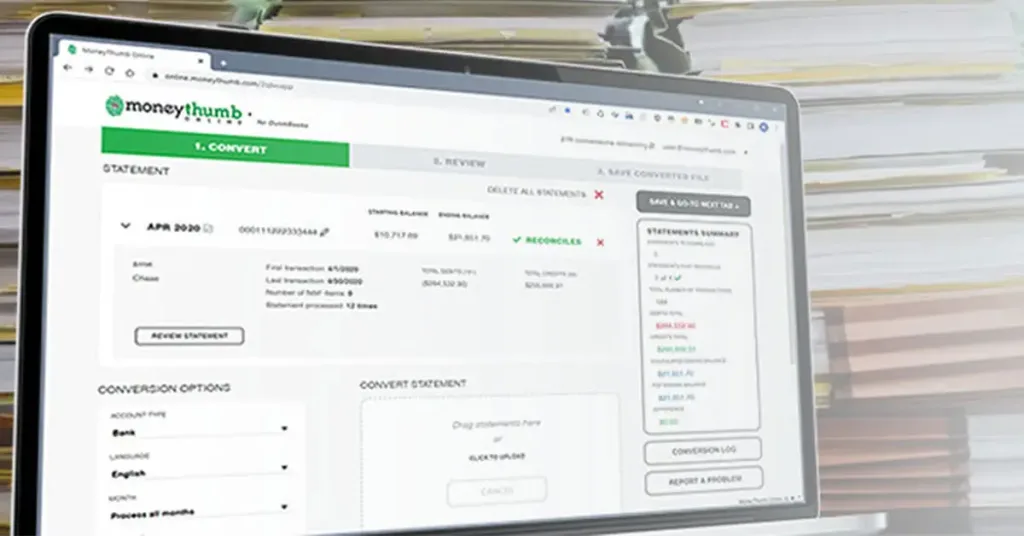
Platforms like MoneyThumb are often used to help lenders convert bank statements and financial documents into standardized, review-ready data formats. That can reduce manual review time while improving consistency during underwriting.
Best Practices for Traditional Lenders Competing With Fintech Speed
Traditional lenders do not always need to match fintechs minute-for-minute. However, they do need to reduce unnecessary operational delays.
The most effective lenders focus on removing friction inside underwriting workflows instead of simply pressuring underwriters to work faster.
Several strategies consistently improve SMB loan turnaround times.
Standardize Financial Document Intake
Many underwriting slowdowns begin with inconsistent borrower submissions.
Bank statements may arrive as:
- PDFs
- Scanned images
- Screenshots
- Incomplete exports
- Password-protected files
Standardized intake procedures reduce review confusion and improve underwriting flow.
Use Automated Data Extraction
Manual data entry creates both delays and human error risks.
Automated extraction tools can pull:
- Deposits
- Daily balances
- NSF activity
- Revenue patterns
- Cash flow trends
- Suspicious inconsistencies
This helps underwriters focus on credit evaluation instead of repetitive administrative work.
Build Pre-Screening Systems
Strong pre-screening reduces wasted underwriting effort.
Before a file reaches senior underwriting teams, lenders should verify:
- Required documents
- Revenue minimums
- Time in business
- Bank statement completeness
- Fraud indicators
- Industry restrictions
This step improves file quality significantly.
Improve ISO-Funder Communication
Poor communication between ISOs and funders creates repeated delays. Cleaner file submissions reduce back-and-forth requests and increase approval efficiency.
Many lenders now require submission checklists and standardized packaging procedures before applications enter underwriting review.
How Document Automation Is Changing SMB Lending
Document automation has become one of the biggest operational shifts in small business lending.
Instead of manually reviewing every transaction line, lenders increasingly use systems that organize and analyze financial documents automatically. This approach improves both speed and consistency.
Automation can help lenders:
| Automation Function | Operational Benefit |
| Bank statement parsing | Faster financial review |
| Cash flow analysis | Better risk visibility |
| Fraud detection checks | Reduced document manipulation risk |
| Transaction categorization | Cleaner underwriting analysis |
| Revenue trend identification | Faster borrower evaluation |
This does not replace underwriters. Instead, it helps underwriters spend more time making lending decisions rather than cleaning raw data.
Fighting Fraud in SMB Loan Reviews
Fraud risk remains one of the largest concerns in small business lending.
Modern document fraud has become harder to identify manually because altered bank statements can appear visually authentic.
Lenders increasingly rely on layered verification systems to detect inconsistencies faster.
These checks may include:
- Metadata analysis
- File structure review
- Transaction consistency checks
- OCR anomaly detection
- Deposit pattern analysis
- Template validation
- Statement continuity review
The goal is not only catching obvious fraud. It is also identifying subtle inconsistencies before funding decisions are made.
Many lenders now combine human underwriting with automated document review to improve detection accuracy.
The Growing Importance of Pre-Screening in MCA Funding
Merchant cash advance underwriting moves quickly compared to traditional bank lending. Because of that speed, file quality becomes even more important.
Weak pre-screening creates multiple problems:
- Slower approvals
- Increased decline rates
- Higher underwriting workload
- Greater fraud exposure
- Poor ISO relationships
Effective pre-screening helps funders focus on viable merchants earlier in the process.
Strong pre-screening systems usually evaluate:
- Average daily balances
- Revenue consistency
- Negative balance frequency
- Existing advance positions
- Seasonal fluctuations
- Deposit concentration
- Banking stability
This improves overall underwriting efficiency.
Some lenders also use financial document processing platforms to help organize merchant submissions before they reach underwriting teams. In many lending operations, MoneyThumb tools are used to help convert raw bank statement data into structured formats that are easier for analysts and underwriters to review.
How SBA Guidance Supports Better Risk Management
Risk management is one of the strongest parts of SBA lending frameworks.
The SBA website provides lenders with guidance that helps reduce inconsistencies in credit evaluation and loan servicing.
This matters because inconsistent underwriting often leads to:
- Higher default rates
- Compliance issues
- Portfolio instability
- Poor documentation quality
- Servicing complications
Standardized procedures help lenders maintain better long-term portfolio performance.
SBA guidance also supports lenders during economic uncertainty because it provides structured risk evaluation frameworks rather than reactive decision-making.
Why Faster Underwriting Does Not Mean Lower Quality
Many lenders assume faster underwriting automatically increases risk. In reality, inefficient workflows often create more mistakes than streamlined systems.
The goal should not be rushing approvals. The goal should be removing unnecessary operational friction.
Well-designed underwriting systems can improve both speed and quality at the same time.
That usually happens when lenders combine:
- Clear lending criteria
- Standardized workflows
- Automated financial analysis
- Better file organization
- Fraud detection layers
- Strong pre-screening
When these systems work together, underwriters can make decisions faster without sacrificing accuracy.
The Role of SBA Training and Education Resources
Another overlooked advantage of the SBA website is lender education.
The SBA offers training materials, lender updates, webinars, and operational guidance that help lending teams stay current with policy changes and program expectations.
This becomes especially valuable for:
- New underwriters
- Community banks
- Credit unions
- Regional lenders
- SBA program participants
Training resources help reduce confusion across underwriting teams and improve consistency in loan evaluation.
Building a More Efficient Lending Workflow
The most successful SMB lenders today are not simply approving more loans. They are building systems that reduce friction from application to funding.
Efficient workflows usually include:
| Workflow Stage | Efficiency Improvement |
| Application intake | Digital submission systems |
| Document collection | Centralized upload portals |
| Financial review | Automated statement analysis |
| Fraud screening | Layered verification checks |
| Underwriting | Standardized approval frameworks |
| Final review | Structured quality control |
Each improvement may seem small individually, but together they reduce operational bottlenecks significantly.
What Lenders Can Learn From Fintech Companies
Fintech lenders succeeded largely because they simplified borrower experience and reduced internal inefficiencies.
Traditional lenders already have advantages in areas like:
- Established customer trust
- Larger balance sheets
- Regulatory experience
- Relationship banking
- Long-term servicing infrastructure
The missing piece is often operational speed.
By combining SBA guidance, automation tools, better pre-screening, and structured underwriting systems, traditional lenders can compete more effectively without abandoning sound lending practices.
Final Thoughts
The SBA website remains one of the most valuable resources available for lenders working in the SMB financing space. It provides structured guidance, lending frameworks, training resources, compliance information, and operational standards that support better underwriting decisions. As borrower expectations continue shifting toward faster approvals and simpler lending experiences, lenders must improve efficiency without weakening risk controls. That balance becomes easier when underwriting teams combine SBA-based workflows with smarter document handling, automated financial review systems, and stronger pre-screening procedures.
The lenders that succeed over the next several years will likely be those that reduce operational friction while maintaining disciplined underwriting standards.
FAQs
Is the SBA website free for lenders to use?
Yes. The SBA website provides free access to loan program information, SOP manuals, lender resources, forms, and educational materials for participating lenders and financial institutions.
How can lenders speed up SMB underwriting decisions?
Lenders can improve underwriting speed by standardizing document intake, using automated financial data extraction, improving pre-screening, and reducing manual data entry across workflows.
Why are fintech lenders faster than traditional banks?
Fintech lenders often use automated systems for document review, borrower verification, and underwriting analysis, which reduces operational delays and manual processing time.
Can automated bank statement analysis help reduce fraud?
Yes. Automated systems can identify inconsistencies, suspicious transaction patterns, metadata anomalies, and document irregularities faster than manual review alone.
References



















Add comment